

The Lessons from Milan: What Design Week 2026 Taught Us About the Future of Luxury Furniture
2026-05-05
Milan Design Week has just come to a close, leaving us with valuable lessons about the path furniture design is taking. Between 21 and 26 April, Milan welcomed over 200,000 visitors and transformed itself, once again, into a living laboratory of ideas.
This year, it became clear that luxury furniture design is moving away from superficial spectacle to embrace something deeper: material authenticity, lived experience, and narrative. More than "trends", Milan brought us shifts in consciousness about what makes a piece truly valuable.
Furniture is no longer just seen – it's felt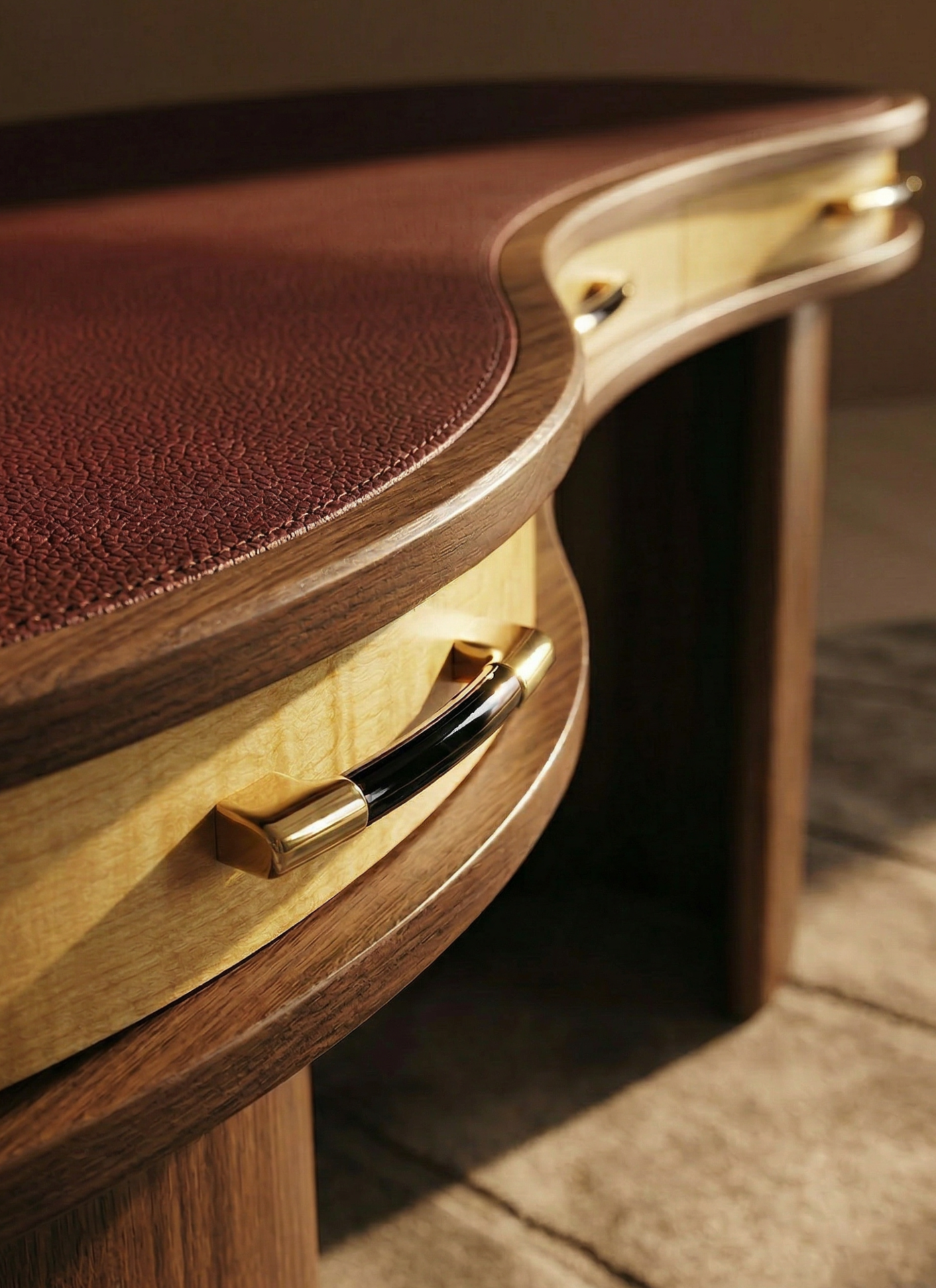
The first major lesson of 2026: sensorial design has become unavoidable. The pieces that captured attention weren't the most photogenic, but rather those that invite touch, that change with light throughout the day, that age in interesting ways.
We saw this in installations that explored unexpected textures, finishes that react to natural light, surfaces that hold memory of use. What does this tell us? That the physical experience of living with an object has returned to the centre of the conversation. In a world saturated with digital images, people are seeking furniture that offers something a photograph cannot capture.
It's the weight of solid wood in your hand. It's the way a natural varnish reflects light differently in the late afternoon. It's the texture of an artisanal finish that's never perfectly uniform – and it's precisely that imperfection that tells the story.
Sustainability is no longer optional
The second lesson was emphatic: materials and sustainable processes are no longer an "extra" – they're expected. But beware: this isn't about greenwashing or vague certifications. What we saw in Milan was a far more sophisticated approach.
We're talking about material choices that respect natural cycles, woods from responsibly managed forests, finishes that don't compromise the piece's longevity. We're talking about design conceived to last generations, not seasons.
The most convincing sustainability we saw was the quiet kind: pieces whose construction quality and timeless design ensure they'll never need replacing. Because the most sustainable piece is one that never becomes obsolete.
Explore the materials MAMOA uses
The return to craftsmanship as the ultimate luxury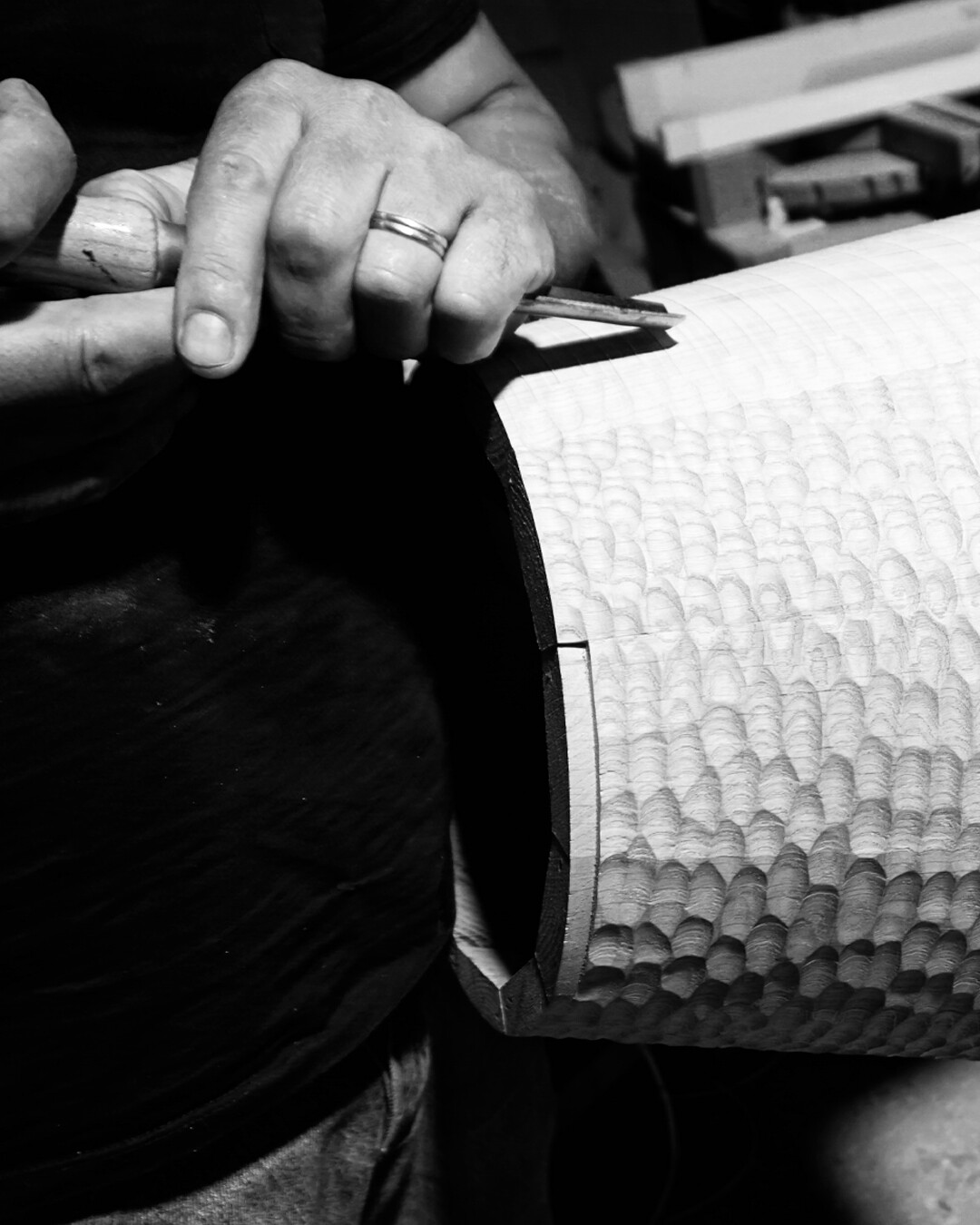
Perhaps the most important lesson of 2026: craftsmanship has returned to the heart of luxury. Not as nostalgia or revivalism, but as a conscious response to industrial homogenisation.
We saw this in the debut of Salone Raritas, a new section dedicated exclusively to limited-edition pieces and creative manufacture. The message is clear: true luxury today lies not in scale, but in singularity.
What makes a piece of furniture truly special? The hand of the artisan who executed it. The technical mastery that only years of craft allow. The details that a machine will never replicate with the same soul.
This manifests in joinery that reveals a deep understanding of wood. In finishes applied in multiple layers, each respecting the curing time of the previous one. In joints designed not just to endure, but to become more beautiful with time.
Explore MAMOA's production process
Narrative has become part of the object
Another fundamental shift: people want to know the story behind pieces. It's no longer enough to say "this is good design". One must answer: why? Who conceived it? What inspiration fed it? What ancestral techniques were recovered?
Furniture design is drawing closer to art again – not in the sense of being untouchable, but in the sense that each piece carries intention, context, and authorship. People are seeking furniture that tells a story, that establishes cultural dialogue, that has roots.
This might be a tribute to a historical figure, a reinterpretation of a traditional Portuguese technique, or simply a form that responds to how we actually live in our spaces.
Detail is where luxury dwells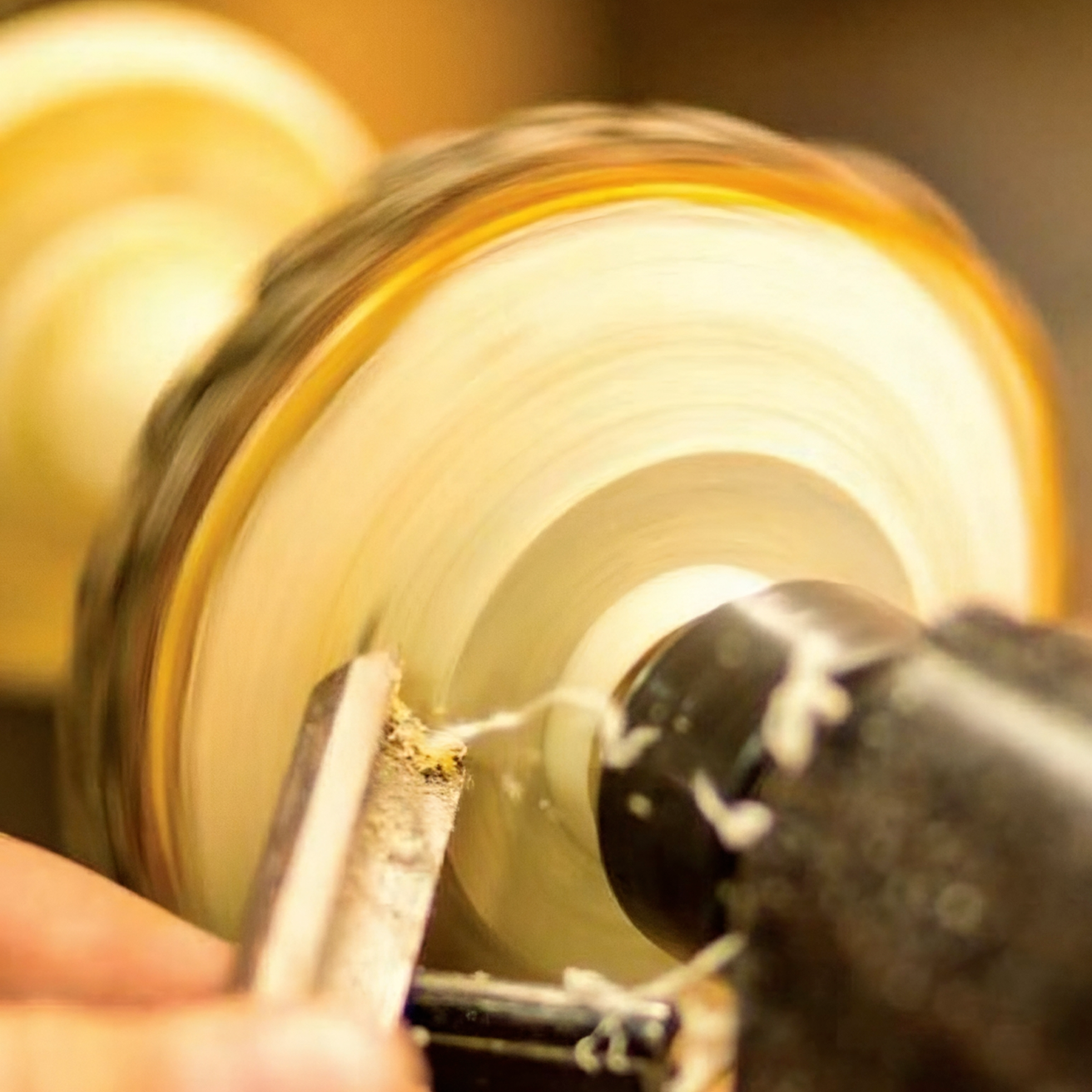
Milan also reminded us that contemporary luxury lives in the almost invisible details. Not in grand gestures, but in the micro-decisions that only those who truly understand design can execute.
We saw entire exhibitions dedicated to elements that normally go unnoticed – hardware, handles, joints. Why? Because it's precisely these details that separate well-designed furniture from extraordinarily well-designed furniture.
It's the choice of a metal that ages with dignity. It's the proportion of a handle that perfectly balances the mass of a door. It's the way a drawer glides – not just smoothly, but with a weight that communicates quality.
Timeless design versus fleeting trends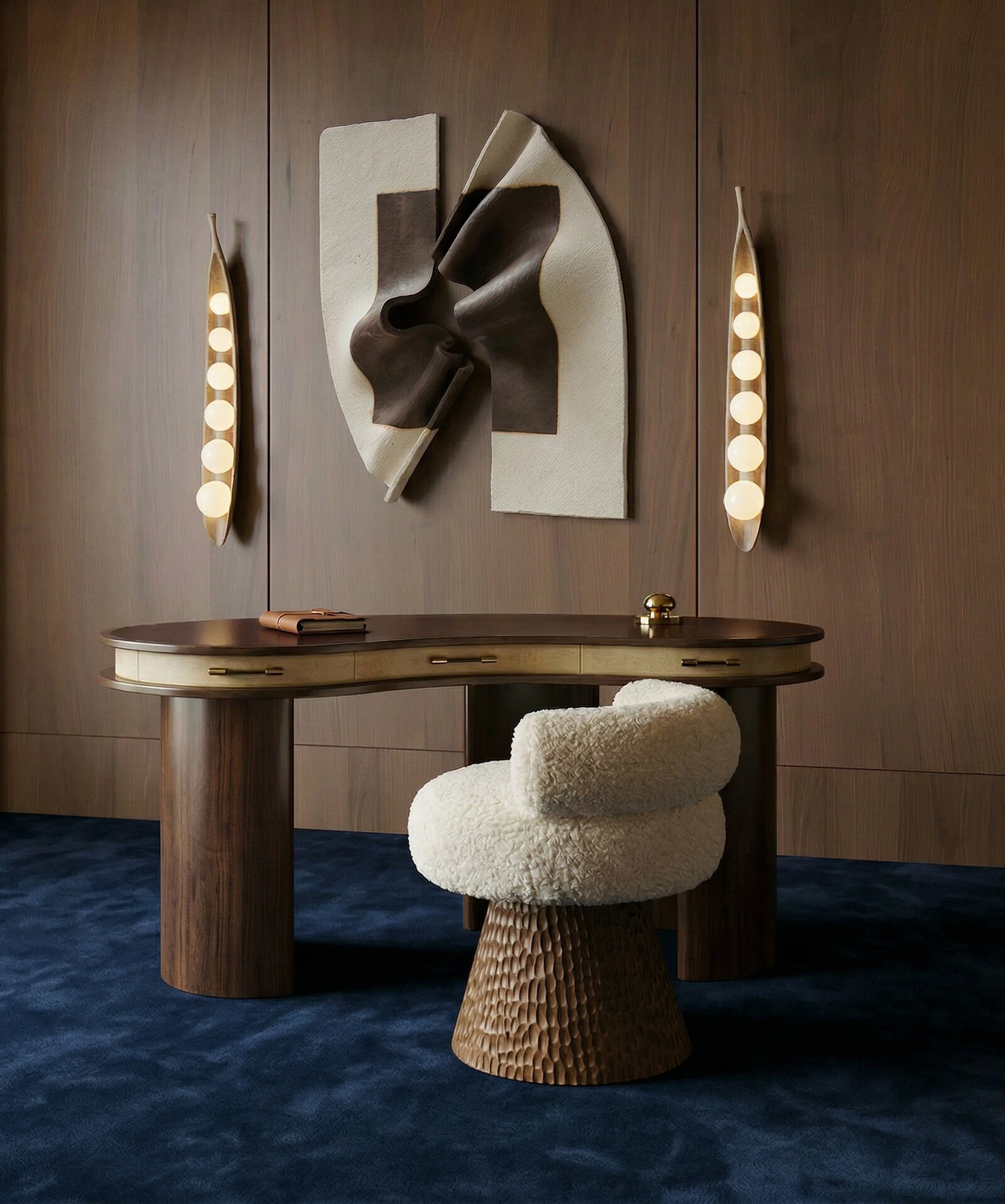
Finally, a lesson that repeats year after year but which 2026 crystallised: pieces that stand the test of time are those that never tried to be "fashionable".
The most convincing installations and launches were those that completely ignored the trend cycle. Pieces that could have been designed 30 years ago or 30 years from now – because they respond to fundamental principles of proportion, function, and beauty, not to fads.
This doesn't mean conservative design. It means design confident enough not to need immediate validation. Pieces that improve a space not because they're "current", but because they're right.
Explore our timeless designs
What this means for those who value design
These lessons from Milan all point in the same direction: luxury furniture design is becoming more demanding, more conscious, and more human.
Demanding because it no longer accepts shortcuts – not in materials, processes, or thinking.
Conscious because every choice – from the origin of the wood to the final finish – carries consequences that can no longer be ignored.
And human because it recovers the tactile, sensorial, and narrative dimension that industrialisation had erased.
For those seeking furniture that truly matters, that integrates into life without shouting, that ages with elegance – this is good news. It means the market is finally valuing what should always have been valued: authenticity, durability, and craft.
You Might Also Like

Join the MAMOA World
Be the first to discover our latest collections, design inspirations, and exclusive collaborations.

Handcrafted furniture for interior design and hospitality projects.
Made in Portugal with timeless craftsmanship.
Quick Links
Newsletter
Subscribe to our newsletter to receive updates on products, stories, invitations, and new releases.

